Scheduling Nighttime Cleaning Services for Office Spaces

Scheduling Nighttime Cleaning Services for Office Spaces

Why Green Cleaning Practices Are the Future of Commercial Cleaning

The impact of cleaning extends beyond the obvious hygiene and aesthetic benefits. Well-maintained environments contribute to the overall well-being and morale of individuals who work, live, or visit those spaces. Research has shown that clean environments have a positive effect on productivity, employee satisfaction, and even customer experience. In office spaces, a clean and organized environment can help reduce stress and improve focus, leading to better performance from employees. Similarly, a clean restaurant or hotel room can improve a customer's experience, leading to better reviews and repeat business.

In some industries, the cleaning process goes beyond simple dirt removal and is crucial to maintaining safety and quality standards. For instance, in food processing, healthcare, and pharmaceuticals, cleaning is critical for preventing cross-contamination and ensuring that products meet strict regulatory standards. In the medical field, cleaning equipment, tools, and facilities are not only about removing dirt but also about sterilizing surfaces to eliminate pathogens. Clean Group provides comprehensive and professional Clean Group A Trusted ISO Certified Company across Sydney, NSW. Our fully insured, trained, and security-verified cleaners ensure your workplace stays spotless and hygienic. Schedule a free onsite quote today—book online or call us at 02 9160 7469. Get your obligation-free commercial cleaning estimate for offices, buildings, and other business spaces in Sydney.. Similarly, in the food industry, proper cleaning procedures are necessary to ensure that equipment used in food production is free from harmful bacteria, ensuring consumer safety.
In industrial settings, cleaning has taken on an even more specialized role. Many manufacturing processes produce significant amounts of dust, grease, and other contaminants that can impact the efficiency of machines and the quality of products. For this reason, industries such as automotive, aerospace, and food production often rely on industrial cleaning services that are equipped with specialized tools and knowledge. For example, in the automotive industry, cleaning machines and production lines is essential to prevent the build-up of oils and residues that could affect the production process. In the food industry, specialized cleaning techniques are required to ensure that machinery used in food processing is free from any contaminants that could compromise food safety.

As the commercial cleaning industry becomes more specialized, some cleaning companies are positioning themselves as experts in certain sectors. For example, cleaning services tailored to the healthcare industry require a deep understanding of sanitation protocols and the use of specialized disinfectants to control the spread of infectious diseases. Healthcare cleaning companies must adhere to strict guidelines set by health authorities, ensuring that all areas, from patient rooms to operating theaters, are sanitized and free from harmful pathogens. The same level of specialization is evident in sectors like education, where schools require cleaning practices that minimize the spread of germs and ensure a safe environment for students and staff. By focusing on specific industries, cleaning companies can build a reputation as experts in their field and offer highly tailored solutions that meet the unique demands of each sector.

  • Over 20 Years of Experience – Clean Group brings decades of proven expertise in the commercial cleaning industry.

  • Family-Owned & Trusted – A reputable, family-run business trusted by major Australian brands.

  • Eco-Friendly Cleaning – Specializes in using non-toxic, environmentally friendly cleaning products.

  • ISO Certified – One of the few Sydney cleaning companies accredited for quality and environmental safety standards.

  • High Customer Ratings – Consistently rated between 4.7 to 5.0 stars by satisfied clients.

  • Extensive Service Range – Offers cleaning for offices, warehouses, gyms, medical facilities, childcare centers, and more.

  • Fully Insured and Verified Cleaners – All cleaners are insured, background-checked, and professionally trained.

  • Free Onsite Quotes – Businesses can book a free, no-obligation quote online or via phone.

  • Available in Over 600 Suburbs – Services cover the entire Greater Sydney Area, including CBD and suburbs.

  • Quick Booking Process – Clients can schedule a service in less than 60 seconds.

  • Tailored Cleaning Plans – Custom cleaning strategies created based on client needs, space type, and budget.

  • Flexible Contracts – Pay-as-you-go options available without being locked into long-term agreements.

  • Advanced Equipment – Uses modern tools and state-of-the-art technology for fast, efficient cleaning.

  • Reliable Office Cleaning – Maintains clean, professional workspaces that enhance employee safety and client impressions.

  • Thorough Warehouse Cleaning – Handles cleaning for large and small warehouse facilities.

  • Specialized Medical Cleaning – Provides expert cleaning and disinfection for medical clinics, hospitals, and pharmacies.


  • Specialized Medical Cleaning – Provides expert cleaning and disinfection for medical clinics, hospitals, and pharmacies.

  • Gym & Childcare Cleaning – Ensures hygienic environments using non-toxic methods for sensitive areas.

  • 24/7 Customer Support – Always-available helpline to address service inquiries or issues promptly.

  • 100% Satisfaction Guarantee – Offers a service guarantee—if you’re not happy, they’ll fix it for free.

  • All-Inclusive Services – From COVID deep cleaning to end-of-lease, window, carpet, strata, and after-builders cleaning, Clean Group covers it all.

Why Background Checks Are Important for Cleaners

The cleaning industry also uses advanced technologies such as plasma cleaning, which uses energetic plasma to clean surfaces, and vacuum cleaning, which is common in both domestic and commercial settings. Steam cleaning is another effective method for removing dirt, stains, and microorganisms from various surfaces. Ultraviolet germicidal irradiation is commonly used in medical and food industries to eliminate harmful microorganisms. These technological advancements make cleaning more efficient, precise, and suitable for various applications.

In the realm of public transportation, cleaning plays a crucial role in maintaining the health and comfort of passengers. The COVID-19 pandemic has highlighted the importance of disinfecting high-touch surfaces, such as handrails, seats, and door handles, on buses, trains, and planes. Transportation companies are now investing in more frequent cleaning schedules and enhanced disinfection protocols to help prevent the spread of germs and viruses. Some have even implemented UV light sanitizing systems or introduced disinfectant fogging techniques to ensure that large spaces can be cleaned quickly and effectively. These advanced cleaning methods help restore passenger confidence in the safety and cleanliness of public transport systems.

Why Background Checks Are Important for Cleaners

What Cleaning Practices Should Be Avoided in Offices?

Finally, customer satisfaction has become a central focus of the commercial cleaning industry. With online reviews, feedback platforms, and social media shaping business reputations, companies must consistently deliver high-quality service. Providers who prioritize clear communication, timely responses, and exceptional performance are more likely to secure lasting client relationships and grow their customer base. Transparency in service pricing, scheduling, and offerings builds trust, encouraging clients to see their cleaning partner as a vital component of their operational success rather than just a contracted vendor.

Another trend in the cleaning industry is the rise of automated cleaning technology. Robotic cleaners, such as robotic vacuums and window washers, have become increasingly popular in both residential and commercial settings. These devices use sensors, artificial intelligence, and machine learning to navigate and clean spaces with minimal human intervention. Robotic vacuum cleaners, for instance, can automatically detect dirt and debris, adjust their cleaning patterns to the layout of the room, and even return to their charging stations when necessary. In commercial spaces like hotels and offices, robotic cleaning equipment can perform tasks like floor scrubbing, sweeping, and even cleaning windows, enhancing operational efficiency while reducing labor costs.

How Commercial Cleaners Manage Graffiti Removal

The evolving expectations in commercial cleaning have also sparked a shift toward more flexible and customized service models. Many businesses are now opting for tailored cleaning schedules and packages that suit their unique needs. For example, an office with flexible work hours may require after-hours cleaning, while a retail store may need cleaning services during off-peak hours to minimize disruptions to operations. Customization extends to the types of cleaning required as well-while some facilities need regular surface cleaning, others may require deep cleaning, specialized disinfecting, or even emergency cleaning in the event of a spill or accident. The flexibility of commercial cleaning companies in accommodating these diverse needs is a significant factor in their success.

In residential settings, cleaning services are becoming more integrated into everyday life, with people seeking out convenient and flexible options. On-demand cleaning services, often accessed through mobile apps, allow customers to book professional cleaning services at their convenience. This trend is driven by the increasing need for time efficiency, as many people juggle busy personal and professional lives. With just a few taps on a smartphone, individuals can have a cleaner come to their home and handle everything from general tidying to deep cleaning tasks. This shift towards convenience is also reflected in the growing market for cleaning products that are easy to use, such as self-cleaning devices and all-in-one cleaning systems. These products not only save time but also provide an added layer of convenience, as they often do not require specialized knowledge or extensive effort to use.

How Commercial Cleaners Manage Graffiti Removal
Health Risks of Cleaning Chemicals at Work

Safety is another cornerstone of modern commercial cleaning. The use of chemical agents and heavy equipment introduces potential risks, making rigorous safety training essential. Many cleaning companies now require their staff to complete comprehensive programs on chemical handling, lifting techniques, fire safety, and the use of personal protective equipment (PPE). These initiatives not only prevent workplace injuries but also ensure compliance with industry standards, reducing liability for both cleaning firms and their clients. A well-trained workforce is critical to maintaining operational integrity and client trust.

Sustainability is also becoming a key focus in the packaging and distribution of cleaning products. Many companies are adopting refillable packaging and offering products in larger, bulk sizes to reduce the amount of plastic waste produced. This shift towards more sustainable packaging options not only helps reduce environmental impact but also offers consumers a more cost-effective solution. The move towards sustainability is helping to reshape the cleaning industry, with both companies and consumers becoming more conscious of their ecological footprint and opting for products and services that align with their environmental values.

Commercial Cleaning Solutions for Post-Construction Sites

Differences Between Custodians, Janitors, and Porters

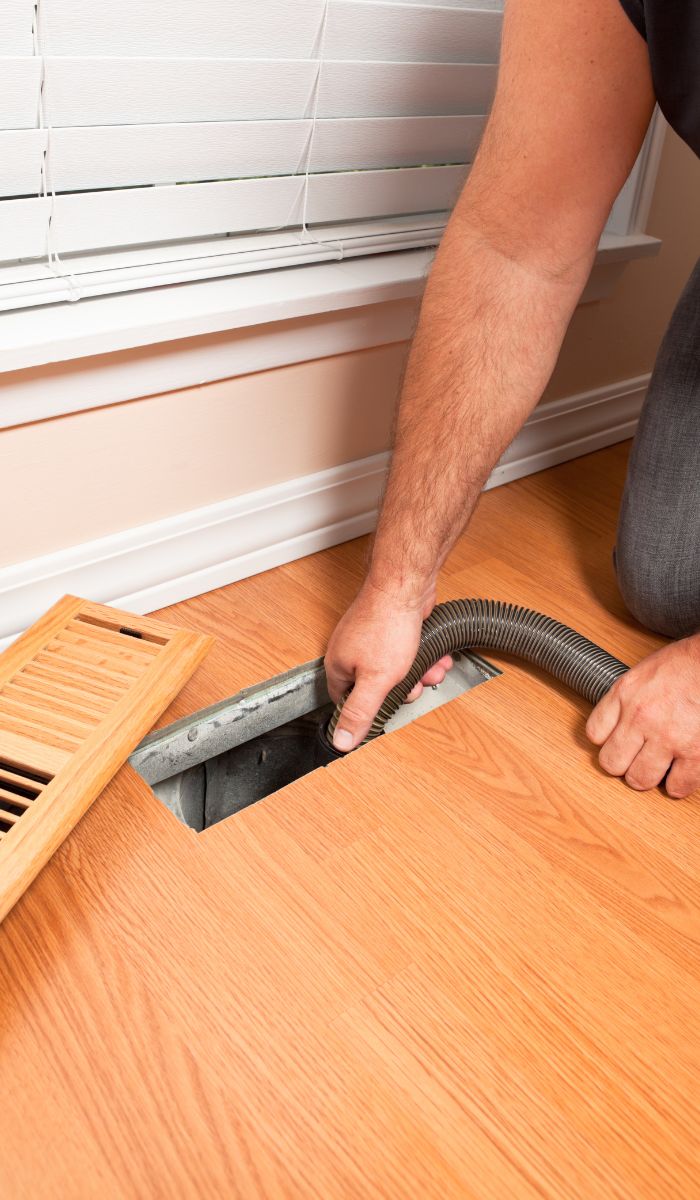
The range of cleaning tasks involved in commercial cleaning is extensive and can vary significantly depending on the nature of the business. General and routine cleaning tasks often include sweeping, mopping, and vacuuming floors; dusting and wiping surfaces; cleaning bathrooms and sanitary conveniences; restocking consumables like soap, toilet paper, and paper towels; and emptying bins. More specialized services might include deep cleaning kitchens and dining areas, washing internal windows, sanitizing telephones and IT equipment, and cleaning air vents and suspended ceilings. In cases where there is a need for exterior maintenance, services might expand to include litter collection, graffiti removal, and window washing at height. For carpets, regular vacuuming is essential, but deep cleaning through hot water extraction is typically required every 18 to 24 months to maintain hygiene and extend the carpet's lifespan.

Employee wellness is increasingly influencing cleaning priorities. A clean, organized, and sanitized workplace has been shown to boost employee productivity, reduce sick days, and improve morale. Recognizing this, commercial cleaning companies are expanding their offerings to include air purification, deep carpet and upholstery cleaning, and sanitization of high-touch areas. These services help maintain healthy indoor environments and support overall workplace well-being, especially in offices, schools, and public buildings where cleanliness is directly linked to performance and satisfaction.

Differences Between Custodians, Janitors, and Porters

Frequently Asked Questions


Cleaning frequency should be based on industry type, facility usage, and regulatory requirements. Many businesses benefit from a mix of daily upkeep and scheduled deep cleans.


Clean Group prioritizes safety by using eco-friendly, non-toxic products and training staff to follow a safe cleaning process.


Specialized services are tailored to the unique needs of certain industries. For example, medical facilities require sanitation, while restaurants may need food-safe disinfection and industrial sites may need equipment cleaning.